Seeing this I immediately understood the 1908 reference to “hp” but had never heard of health points or hit points. NB I was minus sixty-three in 1908, but I swear the Edwardians make a hell of a lot more sense to me than you people do.
A woman from Raleigh, N.C.,
In the interest of transparency,
Told me all that she knew,
Whether fictious or true,
Whether trivial or vital—
and then,
When at last she had finished,
Her store not diminished,
She started all over again.
I told him that it was okay
If he had nothing left him to say,
But it seemed that he’d rather
Go on with his blather
Until his tongue rotted away.
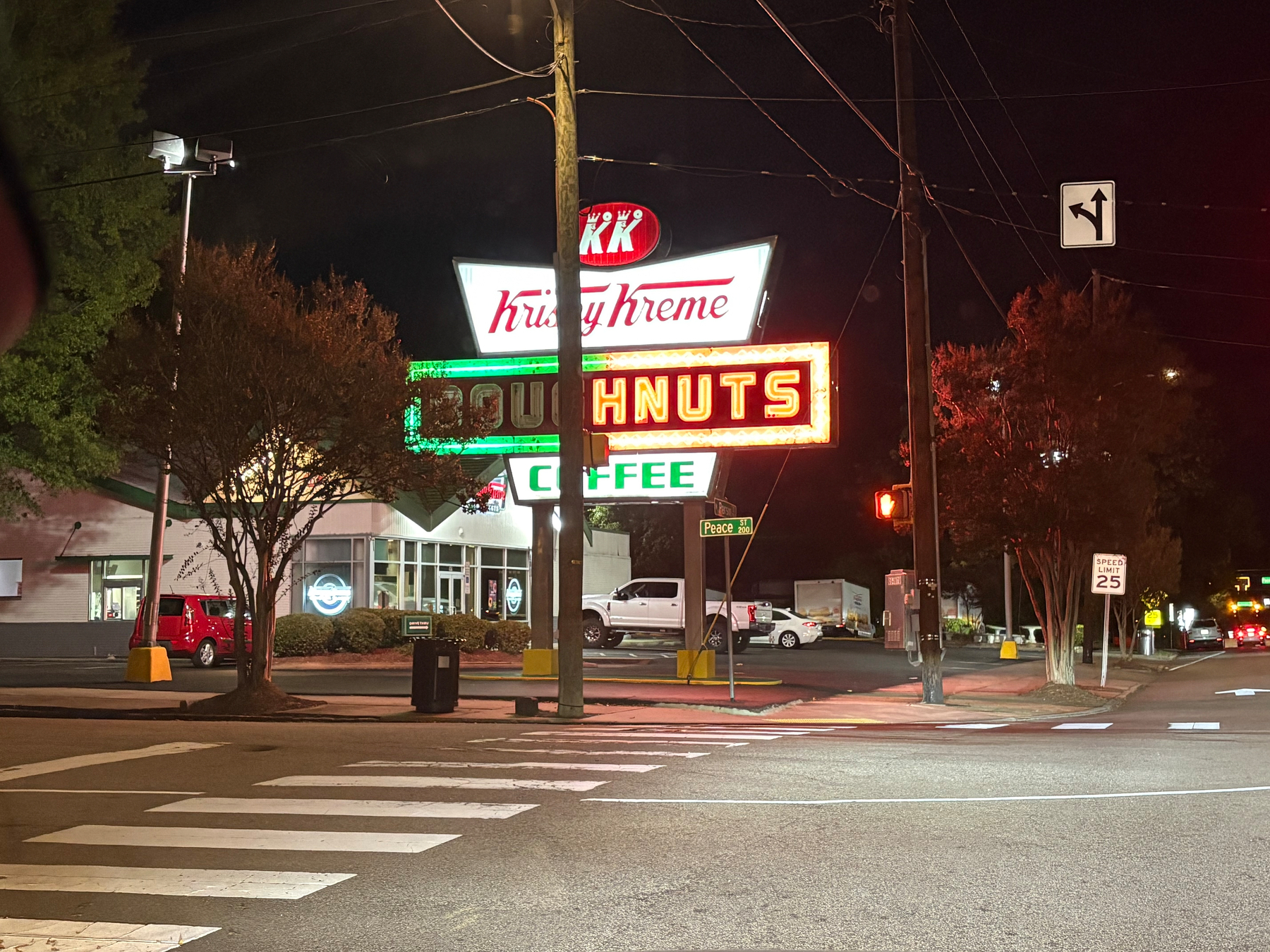
Doug must have had the night off.
So I checked my Amazon “About You” profile, which I read knows all sorts of crazy personal things about people. I use Amazon almost exclusively for business supplies and occasional add-ons so basically it knows I am a technologically fussy artist with a dog (omg wtf right?) and nothing I have not posted publicly here except one rather significant personal detail that is incorrect. Is this page a red herring to hide how much they actually glean from cookies, or is surveillance capitalism less impressive than I was led to believe?
A “country syllabub,” from Eliza Leslie, 1837:
Mix half a pound of white sugar with a pint of fine sweet cider, or of white wine; and grate in a nutmeg. Prepare them in a large bowl, just before milking time. Then let it be taken to the cow, and have about three pints milked into it; stirring it occasionally with a spoon. Let it be eaten before the froth subsides. If you use cider, a little brandy will improve it.
“Let it be taken to the cow” would be a good title for a cookbook. Or a folk-rock album.
I am reading this. It is a good story in a lively translation. I am enjoying the intellectual act of reading it. But the book as physical object is one of the sorriest and most pathetic excuses for published material I have ever paid money for. The paper is thinner and coarser than some newsprint I have seen, the binding is flimsy and may not survive a single reading. Shame on you, University of Minnesota Press. May Balzac’s ghost haunt your nights until you are driven mad with despair and drown yourself leaping from the Pont Neuf.
Beneath insistent chirping of a cardinal
From autumn-bare branches, cold-fluffed morning
This dull reverberation of wood and metal,
Tearing down one half-lived house, building another.
I should soon have been bankrupt in business in 1884 if the public temper then had been like it is now—grasping, hustling, competitive…. Nobody asked for an estimate—indeed there was a fixed price for all the new work that was done. The only chance for me to make more profit would have been by lowering the quality of the output; and this the temper of the men made out of the question. But of profits I understood nothing. My great difficulty was to find out the customary price. The men didn’t know. I worked out long lists of prices from the old ledgers, as far as I could understand their technical terms.
—George Sturt, The Woodwright’s Shop (1923)
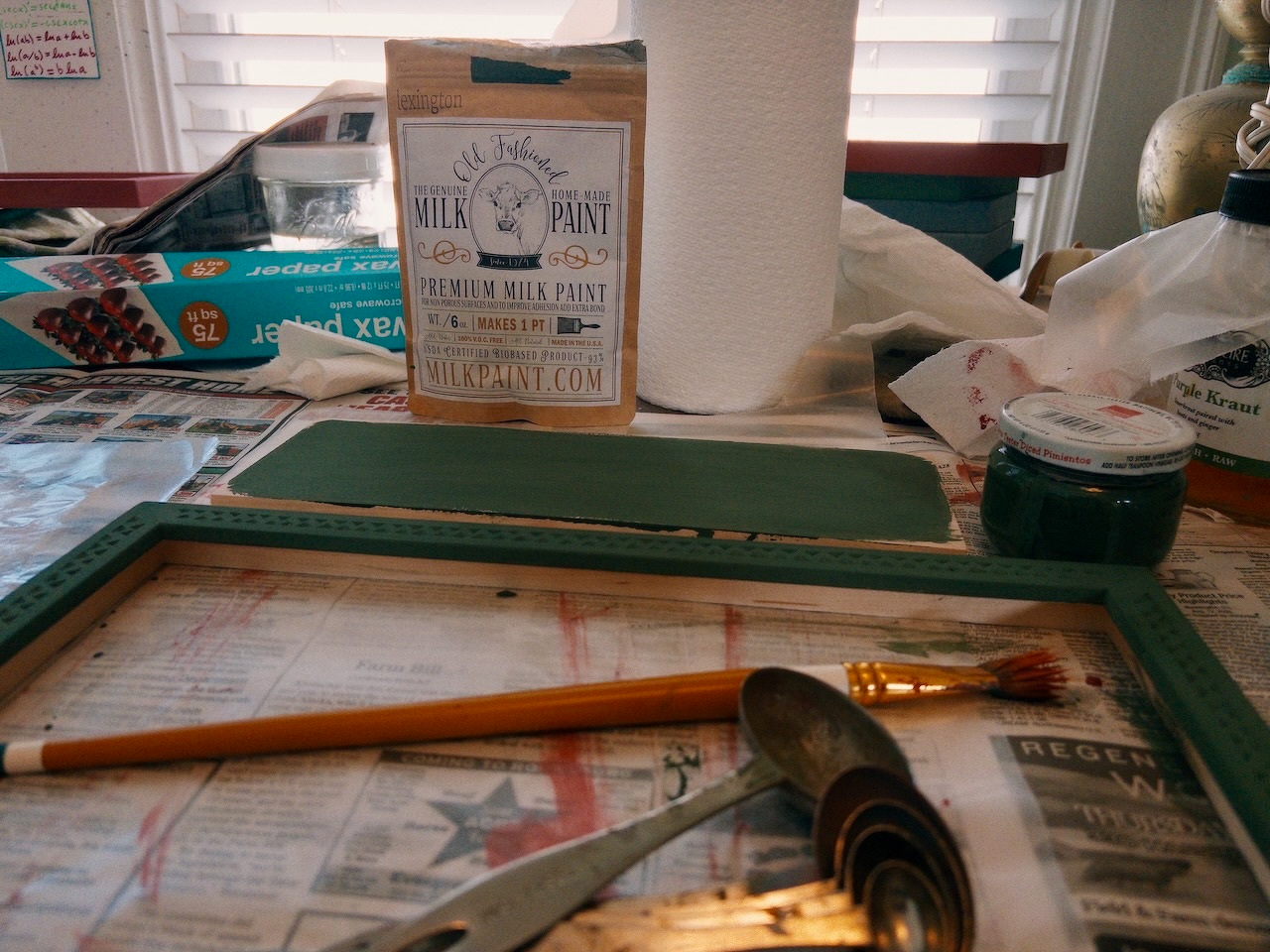
One great thing about using powdered milk paint for frames is that I can mix up only the two or three teaspoons that I need at a time and minimize waste. Another great thing is that to get 4-oz. jars for mixing such small amounts, I have to make a lot of pimiento cheese.